Enzyme support for tannery wastewater that behaves like tannery wastewater
Peltora supplies bulk enzyme solutions for leather goods effluent treatment plants dealing with variable beamhouse load, residual flesh proteins, fatliquor carryover, sulfide pressure, grease, suspended solids, odor, and overloaded biological stages.
If you are responsible for stable discharge and fewer compliance surprises, you need inputs that help the ETP absorb production swings without pretending every batch of wastewater is the same. Peltora works as an enzyme supplier for tannery wastewater treatment with practical protease, lipase, and laccase options selected around real tannery operating constraints.
Built for leather goods ETP priorities
Leather goods wastewater is not generic industrial effluent. It can shift by hide source, soaking and liming practice, fleshing recovery, degreasing chemistry, retanning chemistry, fatliquor loss, housekeeping, and batch release timing.
Peltora enzyme programs are used to support:
- Lower persistence of proteinaceous residues from beamhouse and fleshing streams
- Better breakdown of grease, oils, and fatliquor carryover before downstream treatment
- Reduced floating scum and sticky sludge behavior in equalization and primary stages
- More consistent feed into biological treatment after production peaks
- Odor-load control support where protein decay and sulfide-bearing streams create nuisance conditions
- Improved sludge handling characteristics when organic solids are the operating bottleneck
Enzymes are not a substitute for segregation, pH control, chromium management, sulfide oxidation, dissolved-air flotation, or disciplined sludge wasting. They are a targeted processing aid for organic load that often makes tannery ETPs harder to stabilize.
Where Peltora fits in the treatment train
Equalization and pre-treatment support
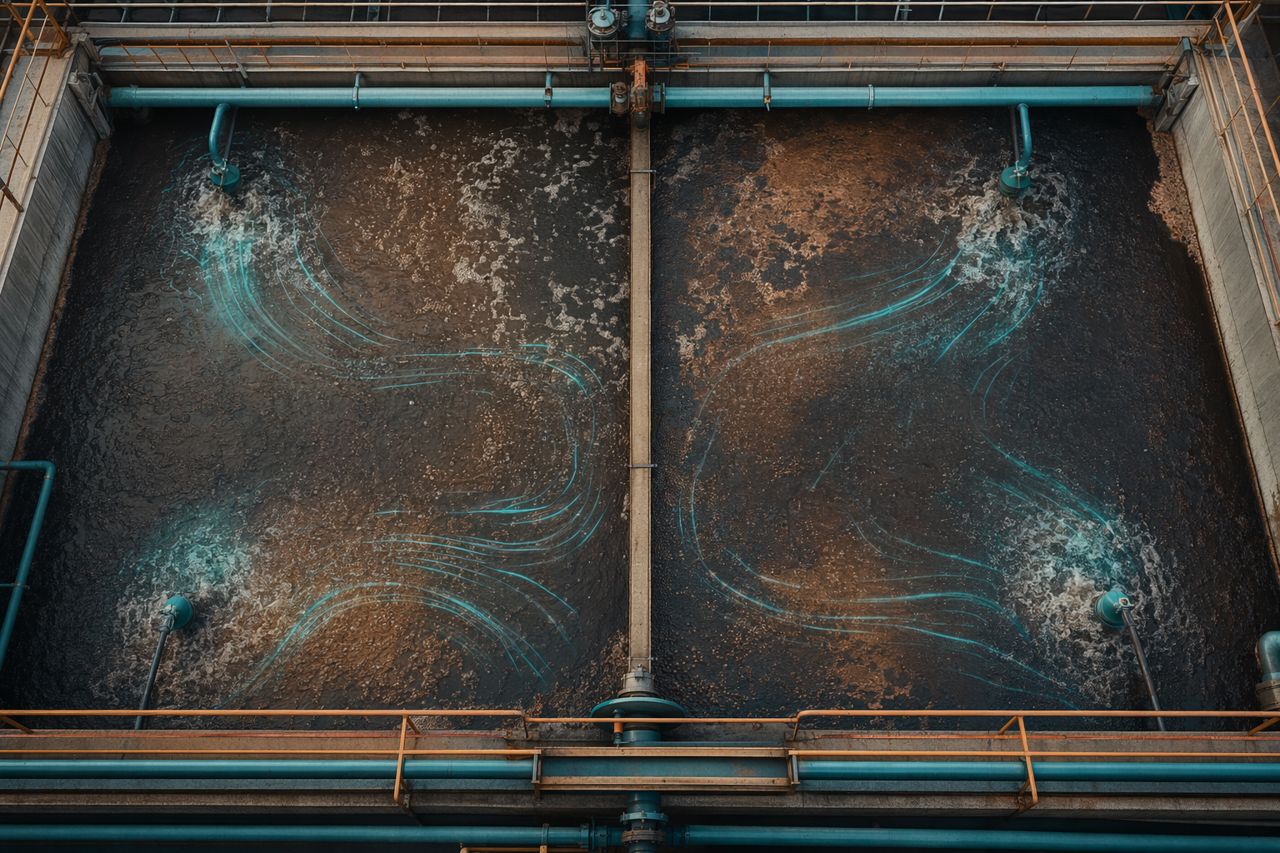
Equalization tanks receive the worst of tannery variability. Protease and lipase can be used to begin softening protein-fat matrices before the load hits primary clarification, DAF, anaerobic treatment, or aeration.
Typical targets include:
- Hide and flesh-derived protein residues
- Grease films and fatliquor losses
- Emulsified organic load that resists settling
- Organic solids that create septic odor and scum layers
Primary treatment and sludge-conditioning support
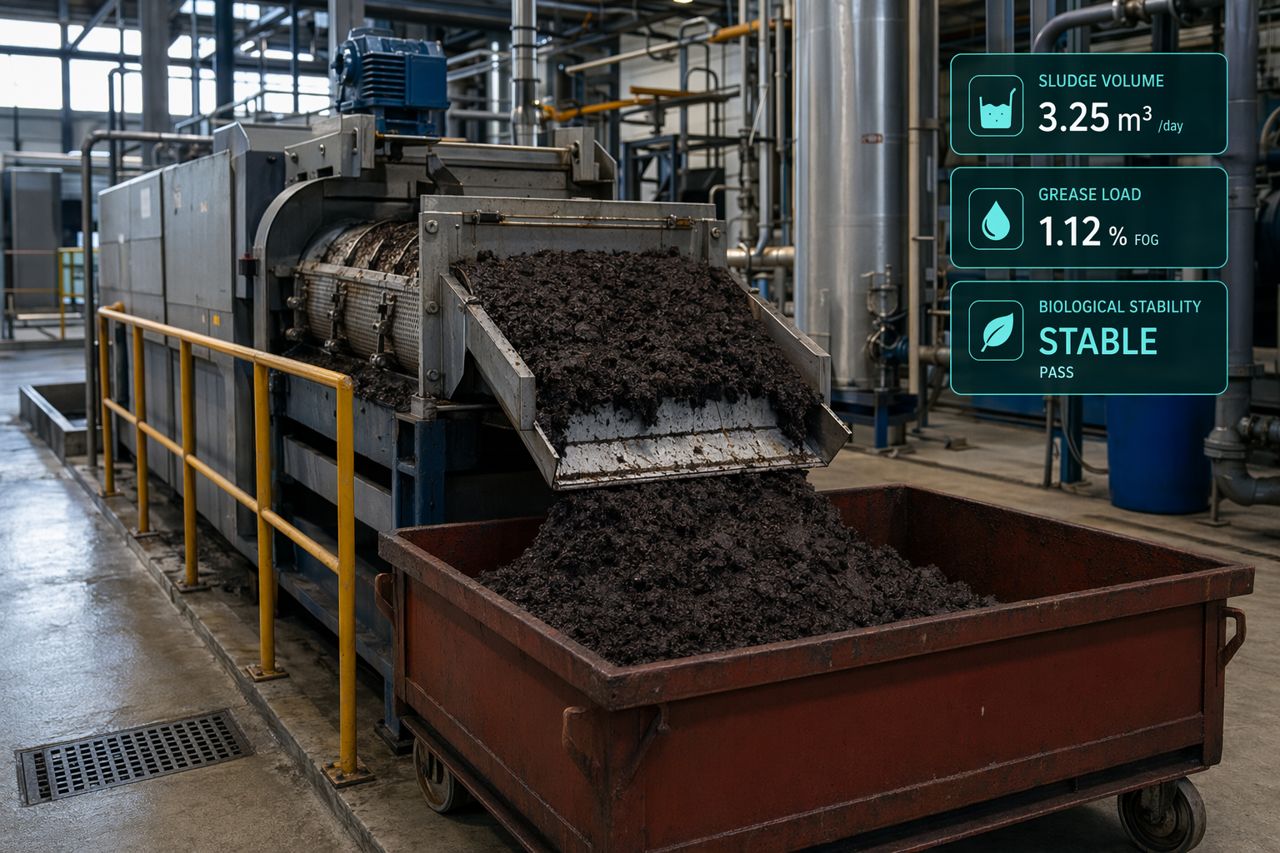
When organic solids remain sticky, sludge can become harder to thicken, dewater, and move. Enzyme use can support better breakdown of complex organic material before it becomes a sludge-handling problem.
Plants often evaluate Peltora products where they see:
- Excess floating grease
- Sludge blanket instability
- Polymer demand pressure
- Poor dewatering consistency
- Odor spikes in holding tanks or sludge zones
Biological-treatment stability
Biological systems are sensitive to shock loading, sulfide carryover, surfactants, high-strength organics, and uneven production discharge. Enzyme treatment can help condition biodegradable organic fractions before they reach the biomass, improving the plant’s ability to manage feed variability.
This is especially relevant for leather goods clusters and captive ETPs with changing production schedules, mixed wet-end inputs, or periodic high-load discharges.
Enzyme categories for tannery effluent
Protease
For protein-rich residues from soaking, liming, fleshing, and beamhouse carryover. Protease helps reduce the persistence of hide-derived organic material that can contribute to odor, sludge volume, and elevated oxygen demand.
Lipase
For oils, grease, natural fats, and fatliquor losses. Lipase supports breakdown of lipid load that can interfere with flotation, form scum, coat biomass, and reduce treatment consistency.
Laccase
For selected phenolic, dye-related, and complex organic fractions where oxidative enzyme support is appropriate. Laccase is evaluated carefully against wastewater chemistry, pH window, retention time, and treatment objectives.
What environmental managers ask us to solve
Peltora is usually contacted when an ETP is seeing one or more of these issues:
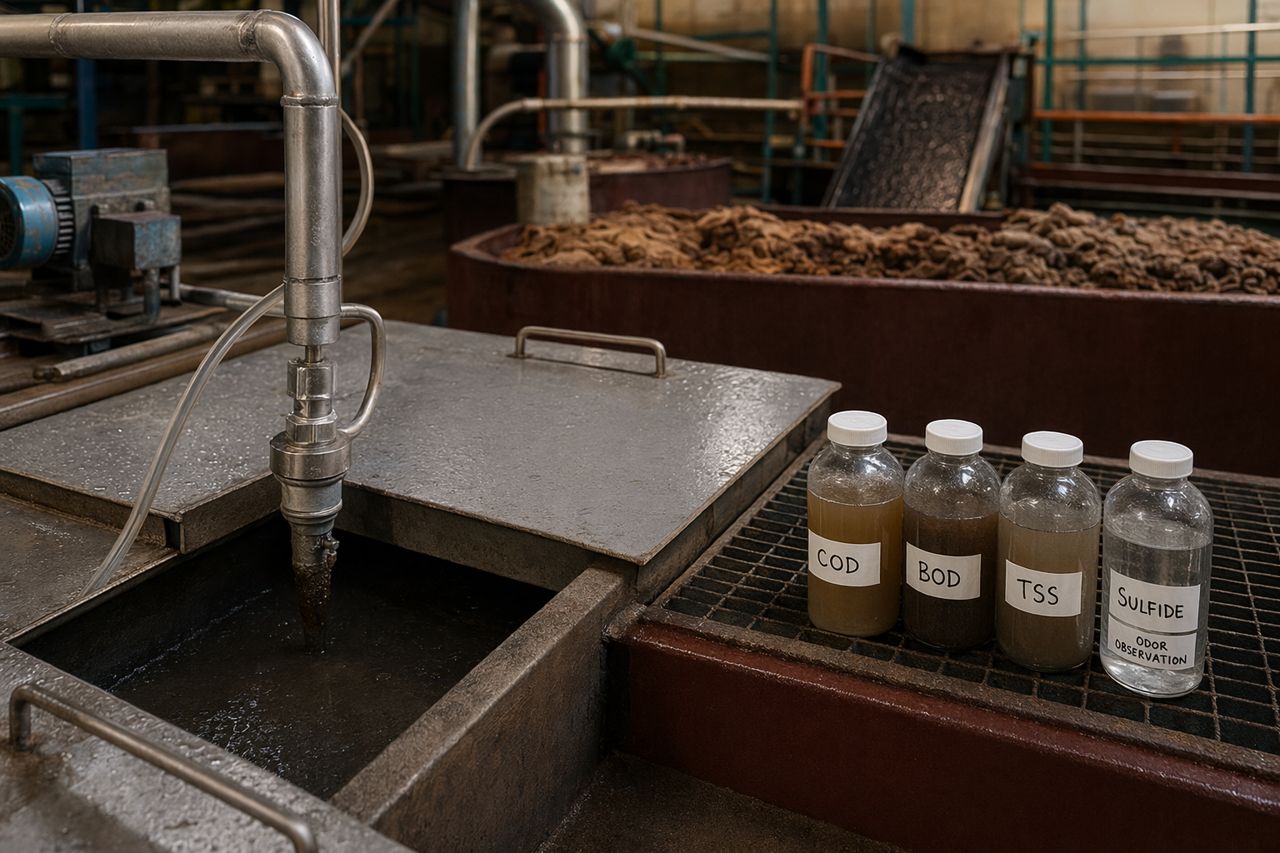
- COD and BOD instability after heavy beamhouse or wet-end production days
- TSS pressure from fine organic solids and poor settling behavior
- Grease and scum accumulation in equalization, DAF, or primary tanks
- Odor complaints around equalization, drains, sludge holding, or dewatering
- Aeration stress caused by uneven biodegradable load
- High sludge volume or difficult sludge handling
- Increased attention from regulators, auditors, brands, or industrial-park operators
Our role is to help you select an enzyme route that fits the plant as it exists: influent variability, available retention time, dosing method, pH profile, temperature range, and downstream process sensitivity.
Practical supply for plant trials and bulk use
Peltora supplies enzymes for evaluation, scale-up, and routine procurement. We support purchasing teams and plant teams with clear product matching, pack-size planning, and documentation for internal review.
You can request:
- Protease, lipase, and laccase options for tannery wastewater
- Bulk supply by kilo for plant-scale use
- Trial guidance based on process location and treatment objective
- Safety and handling documentation
- Quote support for recurring procurement
We do not ask your ETP to fit a generic wastewater template. We start with your tannery stream profile and operating constraints.
Information to include with your quote request
To help us respond accurately, share what you can:
- Main wastewater sources: soaking, liming, fleshing, retanning, dyeing, finishing, or mixed leather goods production
- Current treatment sequence: screening, equalization, sulfide oxidation, chromium segregation, DAF, anaerobic, aerobic, clarification, sludge dewatering
- Main pain point: odor, grease, COD, BOD, TSS, sludge, biological upset, or compliance variability
- Approximate daily flow and peak-flow pattern
- Equalization retention time and pH range
- Current chemical program if relevant
- Target application point for enzyme dosing
Request a quote
Tell us about your effluent stream, current treatment train, and the issue you need to stabilize. Peltora will respond with suitable enzyme options, supply format, and next-step recommendations for evaluation in your plant.
Use the on-site request form to contact Peltora for pricing and technical fit.