Bulk Protease for Tannery Effluent Protein Reduction
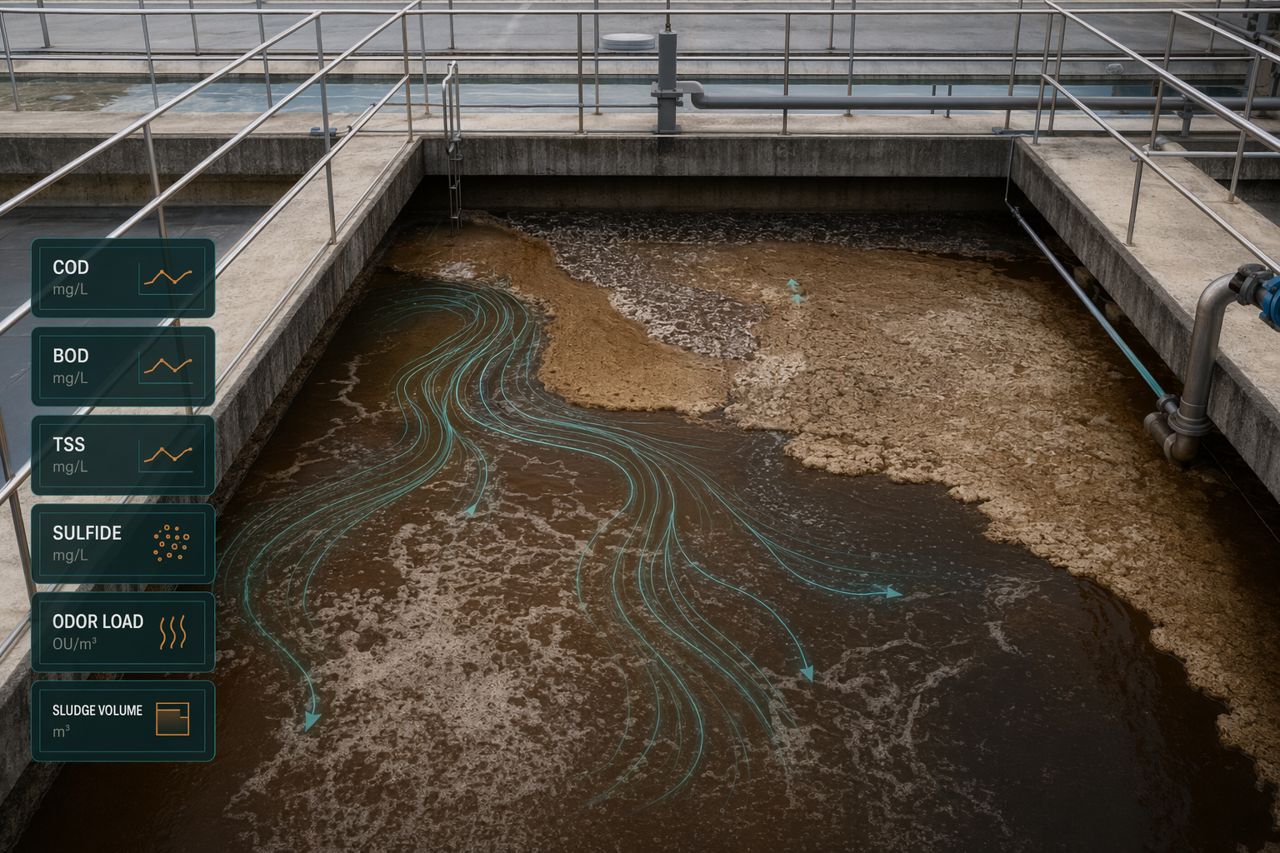
Protein load is one of the reasons tannery effluent behaves differently from general industrial wastewater. Beamhouse carryover, fleshing residues, hide trimmings, soluble proteins, hair fragments, liming residues, sulfide-bearing streams, surfactants, and fat load can all arrive at the ETP unevenly across the shift.
When that load is not broken down early enough, it can show up as higher suspended matter, unstable clarification, odor pressure, heavier sludge, and a biological stage that has to absorb too much variability.
Peltora supplies bulk protease for tannery effluent treatment programs where proteinaceous solids and biological load are recurring operating concerns.
Primary application: protein reduction support in tannery wastewater and leather goods effluent treatment plants.
Where Protease Fits in a Tannery ETP
Protease is used to hydrolyze protein-based material into smaller, more manageable fractions. In a tannery effluent treatment plan, that can support more consistent upstream conditioning and reduce the burden on downstream clarification and biological treatment.
Typical placement depends on the plant configuration, but protease is commonly evaluated around:
- Equalization tanks receiving mixed beamhouse and process flows
- Pre-treatment steps before coagulation, flotation, or primary clarification
- Controlled side-stream treatment where protein-rich discharge is segregated
- Sludge conditioning trials where proteinaceous solids affect dewatering behavior
- Biological treatment support where incoming protein load causes oxygen demand swings
Protease is not a substitute for pH control, sulfide management, primary solids removal, or biological treatment. It is a process tool used to make specific organic fractions easier to handle.
The Tannery Problems Protease Can Help Address
Proteinaceous suspended solids
Hide-derived proteins can remain as colloidal or fine suspended material after screening. These fractions can pass through coarse pre-treatment and disturb clarification performance.
Protease helps reduce the persistence of protein-rich solids so the plant can improve conditioning, separation, and downstream stability.
Biological load variability
Tannery ETPs often face uneven incoming COD and BOD patterns because production is not hydraulically or chemically uniform. Protease can help convert difficult protein fractions before they overload the biological stage.
The goal is not to create a lab-perfect stream. The goal is a more manageable load profile for the assets already on site.
Odor pressure
Protein residues combined with sulfide-bearing conditions can contribute to nuisance odor and septic pockets, especially in equalization zones and sludge holding areas.
Protease can support cleaner degradation of proteinaceous matter when used with correct pH control, mixing, and residence time.
Sludge volume and handling
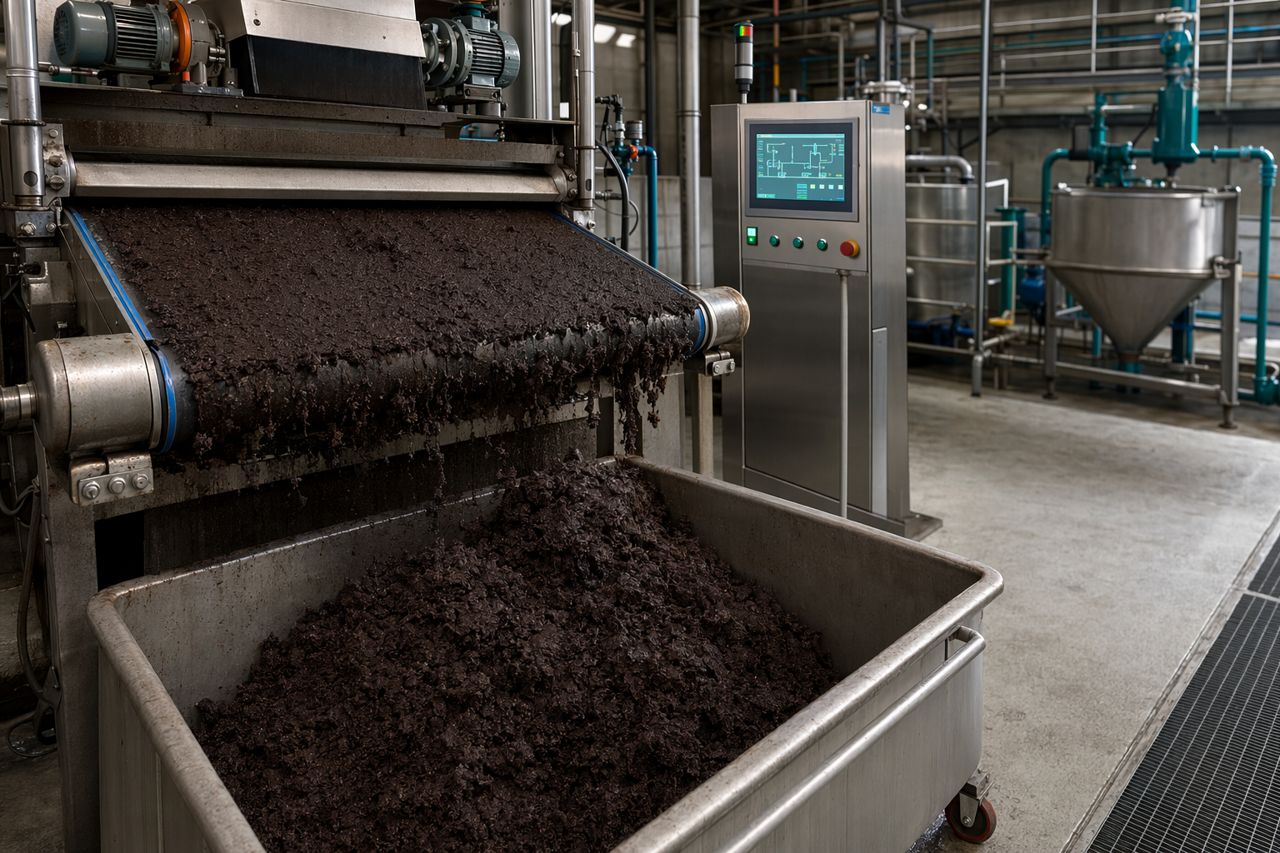
Protein-rich sludge can be bulky, sticky, and difficult to dewater. In some plants, protease trials are used to evaluate whether hydrolysis improves sludge conditioning, reduces retained organics, or supports more predictable dewatering.
Results depend on upstream solids capture, polymer program, pH, fat load, and residence time.
Why Environmental Managers Evaluate Protease
For a leather goods effluent treatment plant, the value is operational stability.
Peltora protease programs are typically considered when the ETP team is trying to:
- Reduce recurring protein-based suspended matter
- Improve mixed liquor and biological treatment consistency
- Lower odor risk from protein-rich zones
- Support more stable COD, BOD, and TSS performance
- Improve sludge behavior before hauling or dewatering
- Reduce avoidable compliance surprises during high-load production periods
- Add a targeted enzymatic step without major capital changes
The best results come when protease is evaluated as part of the plant’s existing controls: screening, pH correction, sulfide management, coagulation, flotation or settling, aeration, sludge wasting, and dewatering.
Tannery-Specific Operating Considerations
Protease performance in tannery wastewater depends on the real operating window, not a generic wastewater assumption.
Key factors include:
- pH profile: Liming residues and alkaline streams can affect enzyme behavior and contact efficiency.
- Temperature: Seasonal wastewater temperature changes can shift reaction speed and required contact time.
- Sulfide and oxidants: Aggressive chemistry can interfere with biological and enzymatic steps if not sequenced correctly.
- Fat and grease load: Fat can shield proteinaceous matter and affect separation behavior.
- Mixing: Protease must contact the protein fraction; dead zones in equalization reduce value.
- Residence time: Short contact windows may require different dosing strategy or placement.
- Downstream biology: Enzymatic hydrolysis should be aligned with the capacity of the biological stage to avoid sudden soluble load shifts.
Peltora helps buyers evaluate these constraints before recommending a bulk supply approach.
Bulk Supply for Plant-Scale Use
Peltora supplies protease in bulk formats suitable for industrial wastewater programs. Each supply discussion is based on plant conditions, target application, storage constraints, and dosing method.
Bulk buyer support can include:
- Product selection for tannery effluent treatment objectives
- Batch traceability and quality documentation
- SDS and handling guidance
- Packaging options for plant storage and dosing workflows
- Trial planning for equalization, pre-treatment, or side-stream evaluation
- Scale-up support from jar testing or plant trial to ongoing supply
We do not recommend buying protease on name alone. In tannery effluent, compatibility with the actual ETP is what matters.
Suggested Evaluation Plan
A practical protease trial should be narrow, measurable, and tied to the plant’s operating pain points.
1. Define the treatment target
Choose the main issue before trialing:
- Proteinaceous suspended solids
- COD/BOD variability
- Odor pressure
- Sludge conditioning
- Clarifier or flotation stability
- Biological stage loading
2. Map the stream
Identify where protein load enters the ETP. Beamhouse-heavy flows, fleshing areas, soaking and liming carryover, or segregated high-strength streams may require different placement.
3. Confirm the operating window
Record pH, temperature, mixing, retention time, sulfide condition, fat load, and current chemical program. Protease should be trialed within the real plant window, not outside it.
4. Run side-by-side observation
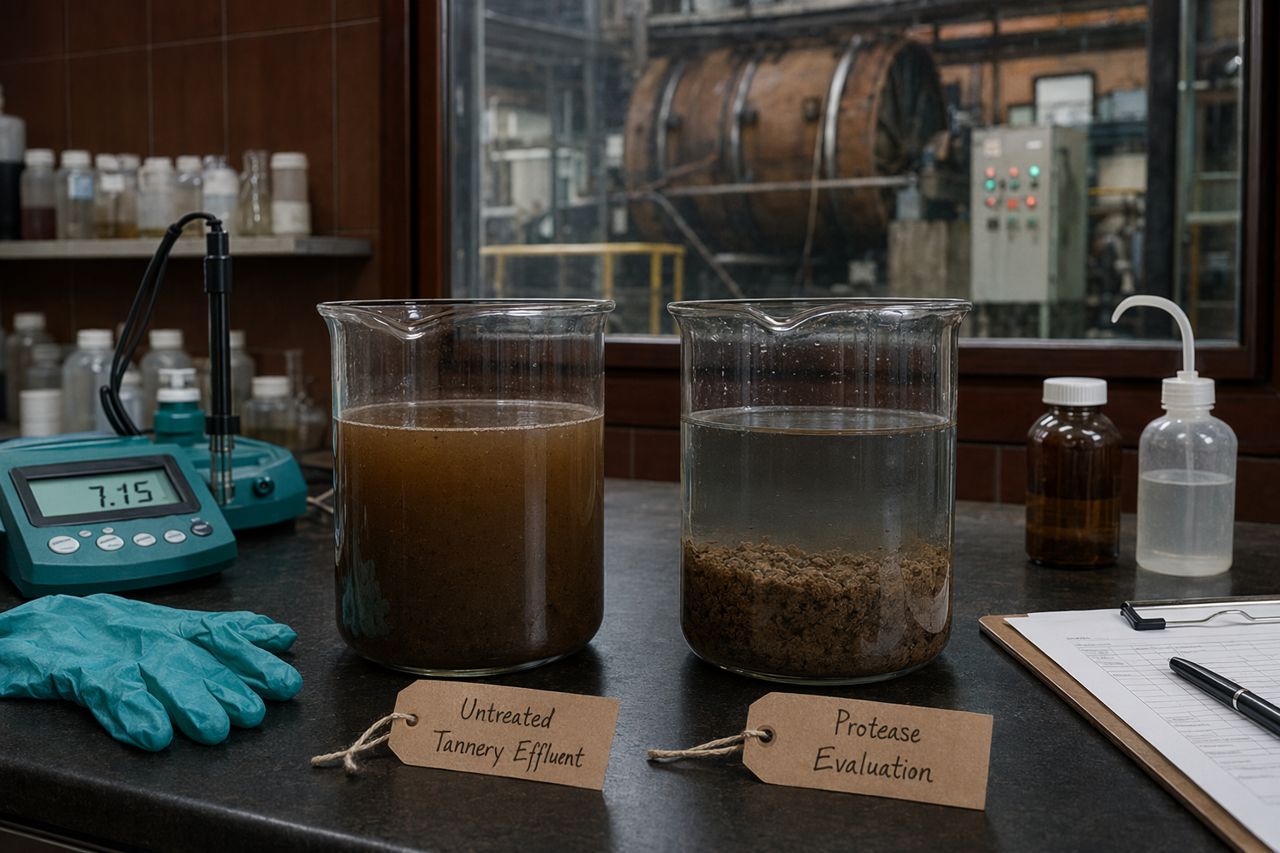
Compare treated and untreated samples or zones using the plant’s standard monitoring indicators. Useful observations include settling behavior, odor, sludge texture, supernatant clarity, and changes in routine discharge parameters.
5. Scale with controls
If results are positive, scale gradually. Maintain upstream solids capture, pH control, and biological monitoring so the enzyme step improves stability rather than moving load unpredictably.
What Peltora Needs to Quote
To recommend and quote bulk protease for tannery wastewater treatment, share as much of the following as available:
- Daily effluent volume or target side-stream volume
- Main leather goods process sources entering the ETP
- Current treatment train layout
- pH and temperature range
- COD, BOD, TSS, sulfide, oil and grease, and sludge handling concerns
- Present chemical program, including coagulants, flocculants, oxidants, and pH adjustment
- Current pain point: discharge stability, odor, solids, sludge, or biological loading
- Preferred packaging and delivery schedule
If you do not have a complete dataset, send the plant layout and the problem description. Peltora can help identify the next useful information to collect.
Request a Quote
Peltora supplies protease for industrial tannery effluent programs where protein load, suspended matter, odor, and sludge behavior need tighter control.
Use the on-site form below to request a quote. Include your plant location, approximate effluent volume, treatment objective, and any recent wastewater data available.