Bulk Lipase for Tannery Grease and Fat Reduction
Leather goods effluent is rarely steady. Beamhouse carryover, fleshing residues, degreasing chemistry, liming alkalinity, surfactants, and variable production schedules can push fat, oil, and grease into the ETP faster than physical separation or biology can absorb.
Peltora supplies bulk lipase for tannery wastewater treatment programs where grease control is a practical operating issue: DAF loading, floating scum, odor, aeration stress, biological inhibition, and sludge handling.
As an enzyme supplier for tannery wastewater treatment, Peltora focuses on plant-fit supply: bulk format, process compatibility, and support for environmental managers who need stable discharge without adding unnecessary complexity.
Where Lipase Fits in a Tannery ETP
Lipase is used to help break down triglycerides and grease-rich residues into more manageable fractions before they create downstream pressure. In tannery effluent, this can support:
- Lower visible grease accumulation in equalization and transfer areas
- Reduced floating scum before DAF or primary clarification
- More consistent feed quality into biological treatment
- Less odor associated with stagnant fat and protein-rich layers
- Improved sludge dewatering behavior where grease is a contributor
- Fewer manual cleanouts linked to fat build-up in channels, screens, and sumps
Lipase is not a substitute for good screening, pH control, DAF operation, or biological management. It is a process aid for plants where fat load is a recurring bottleneck.
Built for Leather Goods Effluent, Not Generic Wastewater
Leather goods production can send a difficult mixture into treatment:
- Natural fats from hides and skins
- Fleshing and trimming residues
- Degreasing wash water
- Surfactant-heavy streams
- Liming and unhairing carryover
- Proteinaceous solids
- Sulfide-bearing wastewater
- Variable COD and BOD load from batch operations
Peltora lipase options are selected with these realities in mind. The goal is not a laboratory-perfect reaction. The goal is reliable handling in a live ETP with changing pH, temperature, retention time, surfactant load, and solids behavior.
Common Use Points
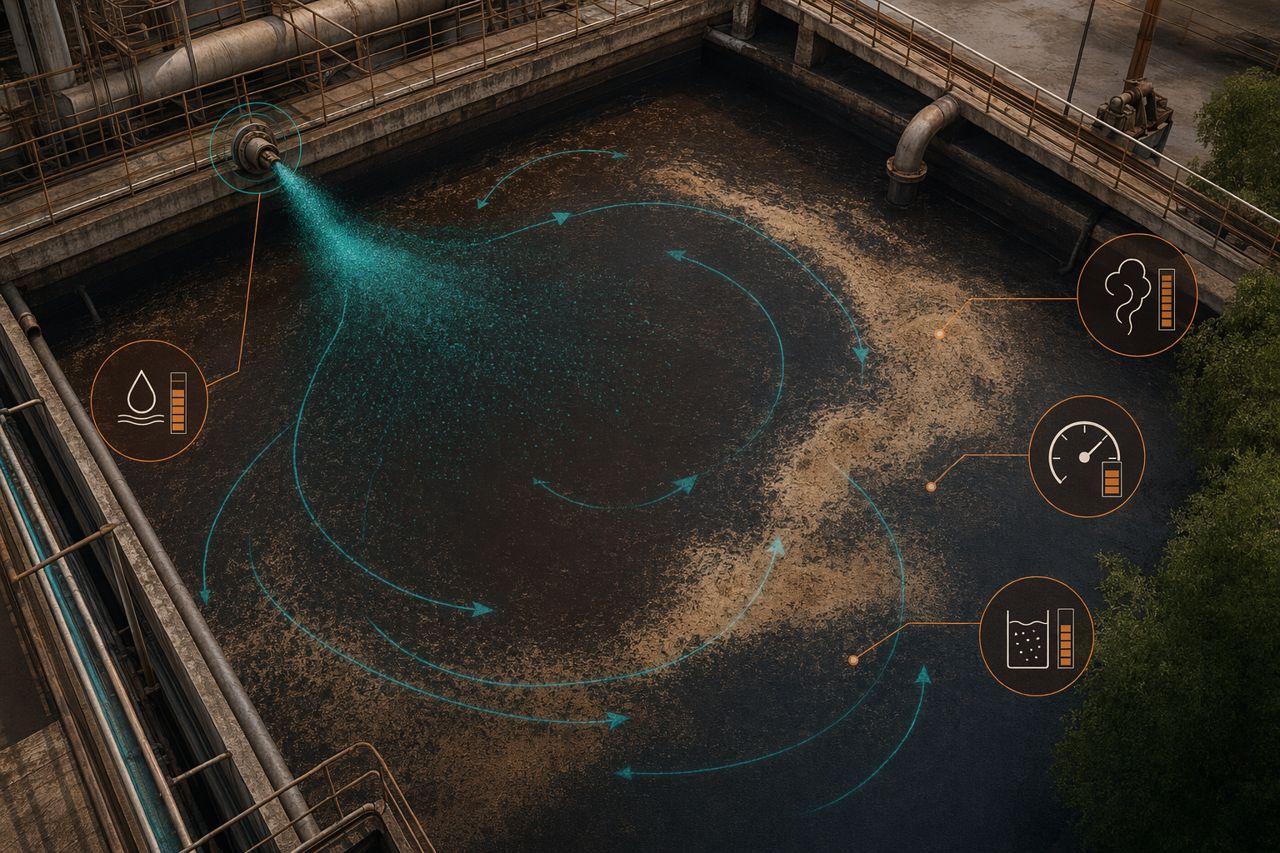
Equalization Tank
For many tanneries, the equalization tank is the most practical point for grease reduction. Lipase can contact mixed wastewater before fat layers consolidate and before downstream separation or biology receives peak load.
Pre-DAF Conditioning
Where DAF is used, lipase can help reduce grease pressure upstream of chemical flotation. This may support more consistent float characteristics and less unmanaged fat carryover.
Biological Feed Balancing
Grease-rich wastewater can coat biomass, slow oxygen transfer, and contribute to odor. Lipase treatment upstream of biological stages can make fat-heavy load more manageable for the treatment train.
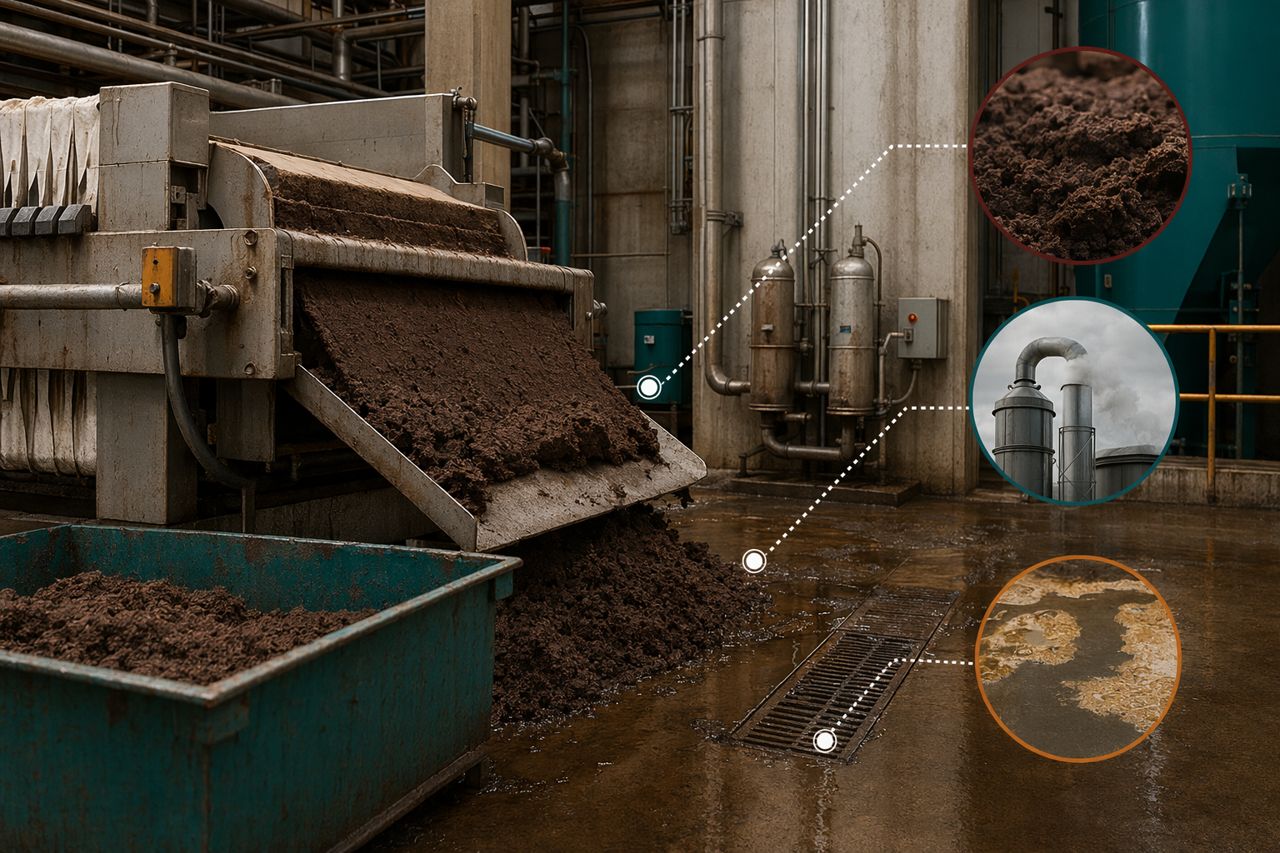
Sludge Handling Support
When grease is embedded in sludge, dewatering and handling can become less predictable. Lipase may be considered where fat content is a known contributor to sticky sludge, poor drainage, or odor complaints.
What Environmental Managers Usually Want to Improve
Peltora supports bulk lipase programs aimed at practical operating outcomes:
- More stable COD and BOD loading into treatment stages
- Reduced oil and grease interference before DAF or biology
- Less odor from stagnant grease and protein-rich zones
- Reduced scum formation in tanks and channels
- Better housekeeping around transfer points
- Fewer compliance surprises during production swings
- More predictable sludge handling
Results depend on wastewater composition, contact time, mixing, pH, temperature, and the condition of the existing ETP. Peltora helps evaluate fit before recommending a supply format.
Process Conditions That Matter
Before quoting bulk lipase, Peltora typically reviews:
- Main sources of grease and fat load in production
- Whether the plant treats beamhouse, dyehouse, finishing, or mixed effluent
- Equalization volume and mixing pattern
- Current DAF or primary clarification design
- Biological treatment type and known inhibition issues
- pH adjustment points
- Sulfide management approach
- Sludge generation and dewatering constraints
- Existing chemical program
- Seasonal or order-driven production variability
This keeps the recommendation grounded in the plant’s actual operating window.
Bulk Supply for Plant-Scale Use
Peltora supplies lipase in bulk formats suitable for industrial wastewater treatment programs. Packaging and delivery can be aligned with consumption rate, storage space, handling preference, and procurement requirements.
Typical B2B needs include:
- Bulk enzyme supply for continuous or batch ETP dosing
- Compatibility review with existing chemical treatment
- Supply planning for variable production calendars
- Documentation for internal approval and purchasing
- Practical guidance for trial planning and observation points
No tannery ETP runs like a municipal plant. Peltora keeps the supply conversation specific to leather goods wastewater and its operating constraints.
Trial Planning Without Disrupting the ETP
A sensible lipase trial should be controlled, visible, and easy for plant staff to assess. Peltora can help define observation points such as:
- Grease layer behavior in equalization
- Scum formation before DAF
- Odor intensity around high-load zones
- DAF float consistency
- Biological stage stability
- Sludge texture and handling
- Housekeeping frequency around grease-prone areas
The aim is to see whether lipase improves the plant’s most expensive or most unstable grease-related problem before scaling usage.
Why Peltora
Peltora works with industrial buyers who need enzyme supply that respects ETP realities. For tannery wastewater, that means understanding fat and protein load, sulfide risk, liming residues, surfactant behavior, pH swings, and compliance pressure.
We do not position lipase as a cure-all. We supply it as a targeted tool for grease reduction where the process conditions make sense.
Request a Quote
If your leather goods effluent treatment plant is dealing with grease build-up, DAF pressure, odor, or sludge handling issues, send Peltora the basic plant context and required bulk volume.
Use the on-site request form and include:
- Effluent source and production type
- Current treatment train
- Main grease-related problem
- Approximate daily wastewater flow
- Preferred bulk packaging
- Delivery location
- Any compatibility concerns with current chemicals